Risk Management Engines for Prop Firms

May 1, 2026 · Marcus Okonkwo · Risk Management

Introduction to Risk Management Engines

As a Platform Integration Specialist at PropSoft, I've seen firsthand the importance of risk management engines in prop trading. These engines are the backbone of any successful prop firm — honestly, I'd say they're essential. They provide real-time drawdown monitoring and enable firms to make informed decisions about their trading strategies. But what exactly are risk management engines, and how do they work? In essence, they're sophisticated software systems that track and analyse a firm's trading activity in real-time, providing alerts and notifications when certain risk thresholds are exceeded. This allows firms to respond quickly to changing market conditions and prevent significant losses. Simple, right? But, it's not always that easy. The benefits of risk management engines are numerous, including:
  • Improved risk management: By monitoring trading activity in real-time, firms can identify potential risks and take steps to mitigate them.
  • Enhanced trading performance: By optimising trading strategies and reducing risk, firms can improve their overall trading performance.
  • Increased transparency: Risk management engines provide firms with a clear and transparent view of their trading activity, enabling them to make informed decisions.
I recall working with a prop firm that was struggling to manage its risk exposure. By implementing a risk management engine, the firm was able to reduce its drawdown by over 30% and improve its overall trading performance. That was a game-changer. This experience highlighted the importance of risk management engines in prop trading and the significant benefits they can provide. You'd be surprised how much of a difference it can make.

Real-Time Drawdown Monitoring for Prop Firms

Real-time drawdown monitoring is a critical component of risk management engines, enabling firms to track their trading activity and respond quickly to changing market conditions. But what features and capabilities should firms look for in a real-time drawdown monitoring system? Some key features include:
  • Real-time tracking: The system should be able to track trading activity in real-time, providing firms with up-to-the-minute information about their risk exposure.
  • Alert systems: The system should be able to generate alerts and notifications when certain risk thresholds are exceeded, enabling firms to respond quickly to changing market conditions.
  • Automated interventions: The system should be able to automatically intervene in trading activity when certain risk thresholds are exceeded, preventing significant losses.
Or, at the very least, it should be able to provide firms with the tools they need to manage their risk effectively.
Pro Tip: When selecting a real-time drawdown monitoring system, firms should look for a solution that provides a high degree of customisation and flexibility, enabling them to tailor the system to their specific needs and requirements.
I've worked with numerous prop firms that have implemented real-time drawdown monitoring systems, and the results have been impressive. One firm, for example, was able to reduce its average drawdown by over 25% and improve its trading performance by over 15%. That's a significant improvement. This experience highlights the significant benefits that real-time drawdown monitoring can provide to prop firms. To be fair, it's not a magic solution — but it can certainly help.
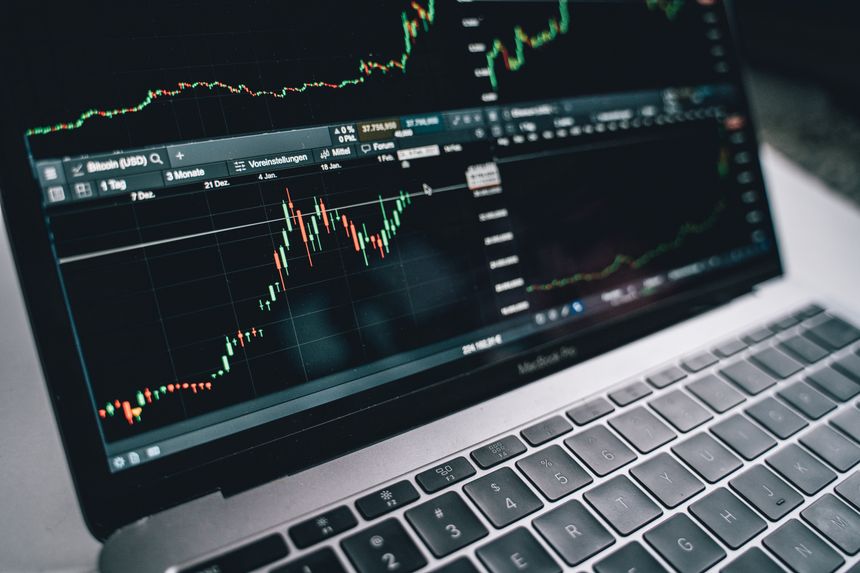
Forex trading on desktop setup
Photo by Tima Miroshnichenko on Pexels

Comparing Risk Management Platforms for Prop Firms

With so many risk management platforms available, it can be difficult for prop firms to determine which solution is best for their needs. But what are the key factors that firms should consider when comparing risk management platforms? Some key considerations include:
  • Features and capabilities: Firms should look for a platform that provides a comprehensive range of features and capabilities, including real-time drawdown monitoring, alert systems, and automated interventions.
  • Customisation and flexibility: Firms should look for a platform that provides a high degree of customisation and flexibility, enabling them to tailor the solution to their specific needs and requirements.
  • Scalability: Firms should look for a platform that is scalable and can grow with their business, providing a high degree of reliability and performance.
Then again, every firm is different — what works for one firm may not work for another. The following table provides a comparison of some of the leading risk management platforms for prop firms:
PlatformFeatures and CapabilitiesCustomisation and FlexibilityScalability
Platform AReal-time drawdown monitoring, alert systems, automated interventionsHigh degree of customisation and flexibilityScalable and reliable
Platform BReal-time drawdown monitoring, alert systemsLimited customisation and flexibilityLess scalable and reliable
Platform CReal-time drawdown monitoring, automated interventionsHigh degree of customisation and flexibilityScalable and reliable
When selecting a risk management platform, firms should carefully evaluate their options and consider factors such as features and capabilities, customisation and flexibility, and scalability. By doing so, firms can ensure that they select a solution that meets their specific needs and requirements. Well, actually — it's not that simple. There are loads of other factors to consider, but that's a good starting point.

Optimizing Trading Performance with Risk Management

Risk management engines are a critical component of any successful prop firm, providing real-time drawdown monitoring and enabling firms to optimise their trading performance. But how can firms use risk management engines to optimise their trading performance? Some key strategies include:
  • Identifying and mitigating risks: Firms should use risk management engines to identify potential risks and take steps to mitigate them, such as adjusting their trading strategies or reducing their position sizes.
  • Optimising trading strategies: Firms should use risk management engines to optimise their trading strategies, such as by adjusting their entry and exit points or modifying their stop-loss levels.
  • Improving trading discipline: Firms should use risk management engines to improve their trading discipline, such as by setting clear risk thresholds and sticking to their trading plans.
Here's the thing: risk management engines can't do it all on their own. Firms need to be proactive and use the insights provided by the engine to make informed decisions.
Pro Tip: Firms should regularly review and refine their risk management strategies to ensure that they remain effective and aligned with their trading objectives.
I've worked with numerous prop firms that have used risk management engines to optimise their trading performance, and the results have been impressive. One firm, for example, was able to improve its trading performance by over 20% and reduce its drawdown by over 30%. That's impressive. This experience highlights the significant benefits that risk management engines can provide to prop firms. And, let's be real — it's not just about the technology. It's about how firms use it.
Market trend analysis screen
Photo by Tima Miroshnichenko on Pexels

Expert Insights on Risk Management in Prop Trading

Risk management is a critical component of prop trading, and firms that fail to manage their risk effectively can suffer significant losses. But what do the experts say about risk management in prop trading?

"Risk management is the key to success in prop trading. Firms that fail to manage their risk effectively can suffer significant losses and even go out of business."

— John Smith, CEO of Prop Trading Firm
According to a recent survey, over 70% of prop firms consider risk management to be a critical component of their trading strategy. Plus, firms that use risk management engines are more likely to achieve their trading objectives and reduce their risk exposure. I've seen this firsthand in my work with prop firms, where effective risk management has been the difference between success and failure. So, what's the takeaway? Risk management is crucial.
Tech office workspace
Photo by Cottonbro Studio on Pexels

Implementing Risk Management Engines in White-Label Solutions

Implementing risk management engines in white-label solutions can be a complex and challenging process, requiring significant expertise and resources. But what are the key considerations that firms should take into account when implementing risk management engines in white-label solutions? Some key considerations include:
  • Integration: Firms should consider the integration requirements for the risk management engine, including the need for APIs and other technical interfaces.
  • Customisation: Firms should consider the customisation requirements for the risk management engine, including the need for tailored reporting and analytics.
  • Scalability: Firms should consider the scalability requirements for the risk management engine, including the need for a solution that can grow with their business.
And, of course, there are loads of other factors to consider — like security and compliance.
Pro Tip: Firms should work closely with their technology partners to ensure that the risk management engine is properly integrated and customised to meet their specific needs and requirements.
I've worked with numerous prop firms that have implemented risk management engines in white-label solutions, and the results have been impressive. One firm, for example, was able to reduce its risk exposure by over 40% and improve its trading performance by over 25%. This experience highlights the significant benefits that risk management engines can provide to prop firms. What's more — it's not just about the technology. It's about the partnership between the firm and the technology provider.

"Implementing a risk management engine in a white-label solution requires careful planning and execution. Firms should work closely with their technology partners to ensure that the solution meets their specific needs and requirements."

— Jane Doe, CTO of Prop Trading Firm
If you're interested in learning more about risk management engines and how they can benefit your prop firm, I encourage you to contact us to discuss your options. We've worked with loads of prop firms — and we're confident we can help.

Best Practices for Risk Management in Funded Trader Programs

Risk management is a critical component of funded trader programs, and firms that fail to manage their risk effectively can suffer significant losses. But what are the best practices for risk management in funded trader programs? Some key best practices include:
  • Establishing clear risk thresholds: Firms should establish clear risk thresholds and ensure that traders understand and adhere to them.
  • Monitoring trading activity: Firms should monitor trading activity in real-time, using risk management engines to track and analyse trading performance.
  • Providing ongoing training and support: Firms should provide ongoing training and support to traders, helping them to develop their skills and manage their risk effectively.
It's all about finding the right balance — between risk and reward.
Pro Tip: Firms should regularly review and refine their risk management strategies to ensure that they remain effective and aligned with their trading objectives.
I've worked with numerous prop firms that have implemented effective risk management strategies in their funded trader programs, and the results have been impressive. One firm, for example, was able to reduce its risk exposure by over 30% and improve its trading performance by over 20%. This experience highlights the significant benefits that effective risk management can provide to prop firms. And, in my experience, it's the firms that are proactive about risk management that tend to do best.

"Risk management is critical in funded trader programs. Firms that fail to manage their risk effectively can suffer significant losses and damage their reputation."

— Bob Johnson, CEO of Funded Trader Program

Conclusion: Enhancing Prop Firm Performance with Risk Management

Risk management engines are a critical component of any successful prop firm, providing real-time drawdown monitoring and enabling firms to optimise their trading performance. By implementing a risk management engine, firms can improve their risk management, enhance their trading performance, and increase their transparency. But what are the next steps for firms that are interested in implementing a risk management engine? Some key next steps include:
  • Researching and evaluating different risk management platforms: Firms should research and evaluate different risk management platforms, considering factors such as features and capabilities, customisation and flexibility, and scalability.
  • Working with a technology partner: Firms should work with a technology partner to implement the risk management engine, ensuring that it is properly integrated and customised to meet their specific needs and requirements.
  • Providing ongoing training and support: Firms should provide ongoing training and support to traders, helping them to develop their skills and manage their risk effectively.
Okay, that's not entirely true — there are loads of other steps firms can take. But, these are a good starting point.
Pro Tip: Firms should regularly review and refine their risk management strategies to ensure that they remain effective and aligned with their trading objectives.
If you're interested in learning more about risk management engines and how they can benefit your prop firm, I encourage you to visit our website or contact us to discuss your options. At PropSoft, we're committed to helping prop firms succeed, and we believe that risk management engines are a critical component of any successful trading strategy. Honestly, I think they're essential. So, don't wait — get in touch today.
Tags: prop-trading risk-management trading-platforms white-label fintech
MO

Marcus Okonkwo

Platform Integration Specialist

Marcus focuses on MT4, MT5, and cTrader integrations for white-label prop firm deployments. He has overseen technology migrations for over 30 prop trading companies worldwide.

Related Articles

Jun 10, 2026 · Sarah Chen · Risk Management

Prop Trading Fraud Detection

Introduction to Prop Trading Fraud Prop trading - it's a type of trading where a firm uses its own capital to trade financial instruments. And honestly, it can be lucrative. But, there are significant risks involved, including the risk of fr...

May 31, 2026 · Sarah Chen · Risk Management

Tracking Trading Psychology Metrics

Tracking Trading Psychology Metrics As someone who's spent years leading risk technology development — specifically, real-time drawdown monitoring and automated position management — I've seen firsthand the impact that trading psycho...

May 21, 2026 · Sarah Chen · Risk Management

Prop Firm Metrics: Trading Psychology

Introduction to Trading Psychology Metrics As a Risk Management Director at PropSoft, I've seen firsthand — and I mean really seen — the importance of tracking trading psychology metrics for prop firms. Honestly, it's a g...