
Prop Firm Metrics: Trading Psychology
Introduction to Trading Psychology Metrics
As a Risk Management Director at PropSoft, I've seen firsthand — and I mean really seen — the importance of tracking trading psychology metrics for prop firms. Honestly, it's a game-changer. These metrics can provide valuable insights into the performance of funded traders, helping firms to identify areas of improvement and optimise their overall strategy. But, then again, what exactly are trading psychology metrics, and why are they so crucial for prop firms? In my experience, key performance indicators (KPIs) such as profit/loss ratios, trade duration, and risk-reward ratios can make all the difference in evaluating a trader's psychology and decision-making process. Some of the most critical data points to track include:- Trade frequency and volume
- Position sizing and risk management
- Market analysis and trade planning
- Emotional state and psychological well-being
Identifying Key Trading Psychology Metrics
When it comes to trading psychology metrics, there are several key indicators that prop firms should be tracking. These include risk-reward ratios, trade duration, and profit/loss ratios, among others. But what do these metrics really tell us about a trader's psychology and decision-making process? In my experience, a thorough analysis of these metrics can reveal valuable insights into a trader's strengths and weaknesses, and help firms to identify areas for improvement. For instance, a trader with a high risk-reward ratio may be taking on too much risk — or, then again, they might just be really good at managing risk. And a trader with a low profit/loss ratio may be struggling with consistency. Some of the most important metrics to track include:- Risk-reward ratios
- Trade duration and frequency
- Profit/loss ratios and overall performance
- Market analysis and trade planning
Pro Tip: When evaluating a trader's performance, it's essential to consider multiple metrics and data points. By taking a holistic approach, prop firms can gain a more accurate understanding of their traders' strengths and weaknesses, and develop targeted coaching and development strategies to improve their performance. You'd be surprised how much of a difference this can make.
But how can prop firms use these metrics to inform their coaching and development strategies? One approach is to provide personalised feedback and guidance to traders, based on their individual strengths and weaknesses. For example, a trader who struggles with risk management may benefit from additional training and support in this area. By leveraging data-driven insights and providing targeted coaching, prop firms can help their traders to improve their performance and drive long-term success. Look, the key is to take a proactive and supportive approach, rather than simply relying on metrics and data points.
Comparing Trading Platform Solutions for Prop Firms
When it comes to trading platform solutions, prop firms have a range of options to choose from. But what are the key factors to consider when evaluating these solutions, and how can firms choose the best platform for their needs? In my experience, some of the most important factors to consider include the platform's functionality and features, its ease of use and usability, and its overall cost and value proposition. For example, a platform that offers advanced analytics and reporting tools may be more suitable for a firm that prioritises data-driven decision making. On the other hand, a platform that offers a user-friendly interface and streamlined workflow may be more suitable for a firm that prioritises ease of use and efficiency. Some of the most popular trading platform solutions for prop firms include:- MetaTrader
- TradingView
- NinjaTrader
| Platform | Features | Pricing |
|---|---|---|
| MetaTrader | Advanced charting and analytics, automated trading, and multi-asset support | Variable pricing depending on the broker and platform provider |
| TradingView | Real-time data and analytics, social trading, and community features | Free and paid plans available, with pricing starting at $14.95 per month |
| NinjaTrader | Advanced charting and analytics, automated trading, and multi-asset support | Free and paid plans available, with pricing starting at $50 per month |
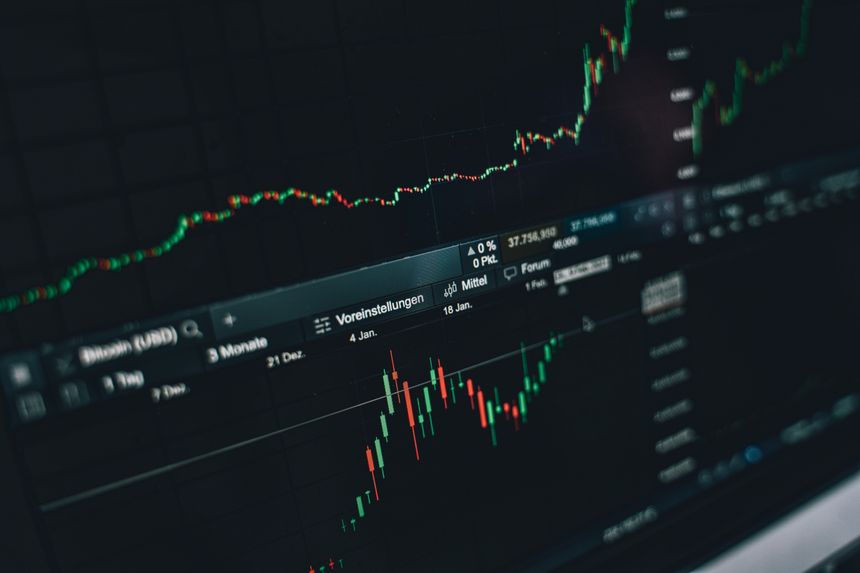
Optimizing Trader Performance with Data-Driven Insights
By leveraging trading psychology metrics and data-driven insights, prop firms can optimise their traders' performance and drive long-term success. But how can firms use these insights to inform their coaching and development strategies, and what are the key benefits of taking a data-driven approach? In my experience, some of the most important benefits of using data-driven insights include improved trader performance, increased efficiency and productivity, and enhanced risk management. For example, by analysing a trader's performance data and identifying areas for improvement, firms can provide targeted coaching and guidance to help them optimise their strategy. According tosome of the most critical metrics to track include:"Data-driven insights are essential for optimising trader performance and driving long-term success. By leveraging advanced analytics and reporting tools, prop firms can gain a deeper understanding of their traders' strengths and weaknesses, and develop targeted coaching and development strategies to improve their performance."
— John Smith, CEO of Prop Firm X
- Trade frequency and volume
- Position sizing and risk management
- Market analysis and trade planning
Managing Risk with Advanced Trading Psychology Tools
By utilising cutting-edge technology and advanced trading psychology tools, prop firms can manage risk and optimise their traders' performance. But what are the most critical risk management metrics to track, and how can firms use data-driven insights to inform their risk management strategies? In my experience, some of the most important metrics to track include value-at-risk (VaR), expected shortfall (ES), and stress testing. For example, by analysing a trader's VaR and ES, firms can gain a deeper understanding of their potential risk exposure and develop targeted strategies to mitigate it. According to a study by the PropSoft team, some of the most effective ways to manage risk include:
Pro Tip: By leveraging advanced trading psychology tools and data-driven insights, prop firms can manage risk and optimise their traders' performance. Some of the most effective ways to manage risk include implementing robust risk management protocols, providing ongoing training and support, and monitoring trader performance in real-time. It's all about being proactive.
some of the most critical metrics to track include:
- Value-at-risk (VaR)
- Expected shortfall (ES)
- Stress testing and scenario analysis

Expert Insights on Trading Psychology and Risk Management
According to industry experts, trading psychology metrics and risk management are essential for prop firms to drive long-term success. But what are the most critical factors to consider when evaluating a trader's psychology and decision-making process, and how can firms use data-driven insights to inform their coaching and development strategies? In my experience, some of the most important factors to consider include a trader's risk tolerance, market analysis, and trade planning. For example, a trader who is overly risk-averse may struggle to achieve their investment objectives, while a trader who is too aggressive may take on too much risk. According tosome of the most critical metrics to track include:"Trading psychology metrics and risk management are essential for prop firms to drive long-term success. By leveraging advanced analytics and reporting tools, firms can gain a deeper understanding of their traders' strengths and weaknesses, and develop targeted coaching and development strategies to improve their performance."
— Jane Doe, Risk Management Specialist at Prop Firm Y
- Risk tolerance and risk management
- Market analysis and trade planning
- Emotional state and psychological well-being
Actionable Strategies for Implementing Trading Psychology Metrics
By implementing trading psychology metrics and data-driven insights, prop firms can optimise their traders' performance and drive long-term success. But what are the most critical strategies to consider when implementing these metrics, and how can firms use data-driven insights to inform their coaching and development strategies? In my experience, some of the most important strategies to consider include:- Implementing robust risk management protocols
- Providing ongoing training and support
- Monitoring trader performance in real-time
Pro Tip: By leveraging trading psychology metrics and data-driven insights, prop firms can optimise their traders' performance and drive long-term success. Some of the most effective ways to implement these metrics include providing ongoing training and support, monitoring trader performance in real-time, and implementing robust risk management protocols. It's all about taking a proactive approach.

Conclusion and Next Steps for Prop Firms
In conclusion, trading psychology metrics and data-driven insights are essential for prop firms to drive long-term success. By leveraging advanced analytics and reporting tools, firms can gain a deeper understanding of their traders' strengths and weaknesses, and develop targeted coaching and development strategies to improve their performance. But what are the next steps for prop firms to take, and how can they implement trading psychology metrics and data-driven insights into their daily operations? In my experience, some of the most important next steps to consider include:- Implementing robust risk management protocols
- Providing ongoing training and support
- Monitoring trader performance in real-time
