Prop Firm Psychology Metrics

April 26, 2026 · James Whitfield · Prop Trading

Introduction to Trading Psychology Metrics

I've spent over a decade building trading infrastructure for institutional and proprietary trading firms - roughly 12 years, to be exact. And let me tell you, tracking trading psychology metrics is crucial. When I was building a trading desk for a London-based prop firm, I realised that understanding the psychology behind trading decisions was key to performance optimization and risk management. But, that said, it's not always easy to get right. In fact, studies have shown that traders who are aware of their emotional biases and can manage them effectively tend to perform better than those who don't. So, what data should prop firms track to gain insights into their traders' psychology?
  • Trade frequency and volume
  • Win/loss ratio and expectancy
  • Risk/reward ratio and position sizing
But before we dive into the specifics, let's consider the benefits of tracking trading psychology metrics. By monitoring these metrics, prop firms can identify areas for improvement, optimise trader performance, and reduce risk. For instance, a prop firm may notice that one of their traders has a high win/loss ratio but consistently takes on too much risk, leading to large losses when trades don't go in their favour. That's a problem. By addressing this issue, the firm can help the trader adjust their strategy and improve their overall performance.
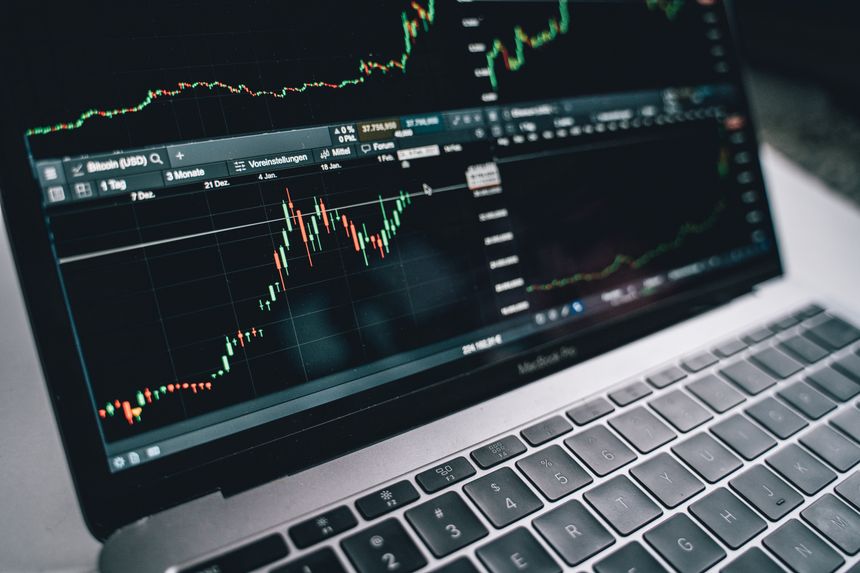
Forex trading on desktop setup
Photo by Tima Miroshnichenko on Pexels
Look, I've seen many prop firms struggle to implement effective risk management strategies, simply because they lack the data and insights to make informed decisions. That's why I believe that tracking trading psychology metrics is essential for any prop firm looking to optimise performance and reduce risk. And, as we'll discuss later, there are many tools and platforms available that can help firms track and analyse these metrics, including PropSoft. Honestly, it's a game-changer.

Key Performance Indicators for Prop Traders

So, what are the key performance indicators (KPIs) that prop traders should track? In my experience, the most important KPIs include profit/loss ratio, win/loss ratio, and expectancy. These metrics provide valuable insights into a trader's performance and can help identify areas for improvement.
KPIDescriptionFormula
Profit/Loss RatioThe ratio of profits to losses(Total Profits / Total Losses) x 100
Win/Loss RatioThe ratio of winning trades to losing trades(Number of Winning Trades / Number of Losing Trades) x 100
ExpectancyThe average profit or loss per trade(Total Profits - Total Losses) / Total Number of Trades
But how can prop firms use these KPIs to optimise trader performance? One approach is to set targets for each KPI and provide incentives for traders who meet or exceed these targets. For example, a prop firm may set a target profit/loss ratio of 1.5:1 and offer a bonus to traders who achieve this target. That said, it's not just about setting targets - it's about creating a culture of continuous improvement. And, as we'll discuss later, there are many other KPIs that prop firms can track to gain insights into their traders' psychology and performance. For instance, firms can track metrics such as trade frequency and volume, risk/reward ratio, and position sizing. By monitoring these metrics, firms can identify areas for improvement and provide targeted support to their traders.

Risk Management Strategies for Prop Firms

Implementing effective risk management strategies is crucial for prop firms looking to optimise performance and reduce risk. One approach is to use position sizing and stop-loss techniques to limit losses and maximise gains.
Pro Tip: Use a position sizing algorithm to determine the optimal position size for each trade, based on factors such as risk tolerance and market volatility.
But what other risk management strategies can prop firms use? Some other approaches include:
  • Setting stop-loss levels to limit losses
  • Using trailing stops to lock in profits
  • Implementing a risk/reward ratio to ensure that potential rewards outweigh potential risks
And, as we'll discuss later, there are many tools and platforms available that can help prop firms implement these risk management strategies, including PropSoft. For example, some platforms offer automated position sizing and stop-loss tools, which can help firms limit losses and maximise gains.
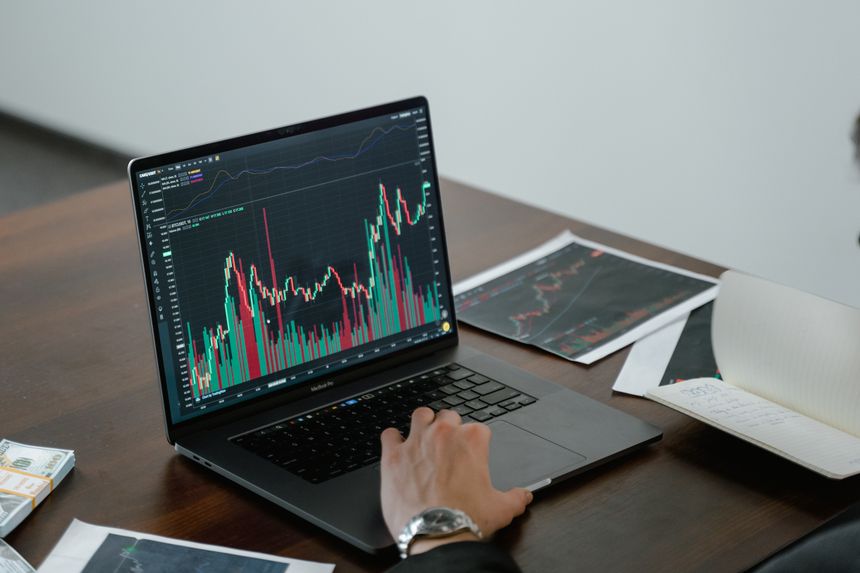
Stock market analysis tools
Photo by Tima Miroshnichenko on Pexels
Look, I've seen many prop firms struggle to implement effective risk management strategies, simply because they lack the data and insights to make informed decisions. That's why I believe that tracking trading psychology metrics is essential for any prop firm looking to optimise performance and reduce risk. You'd be surprised how much of a difference it can make.

The Role of Emotional Intelligence in Trading

Emotional intelligence plays a critical role in trading, as it enables traders to manage their emotions and make informed decisions. In fact, studies have shown that traders with high emotional intelligence tend to perform better than those with low emotional intelligence.

"Emotional intelligence is the ability to recognize and understand emotions in yourself and others, and to use this awareness to guide thought and behavior."

— Daniel Goleman, Author of Emotional Intelligence

But how can prop firms help their traders develop emotional intelligence? One approach is to provide training and coaching on emotional intelligence, as well as tools and resources to help traders manage their emotions. For example, some firms offer mindfulness training and stress management techniques to help traders stay focused and calm under pressure.
Investment data visualization
Photo by Anna Nekrashevich on Pexels
And, as we'll discuss later, there are many other ways that prop firms can help their traders develop emotional intelligence, including providing feedback and support, as well as creating a positive and supportive trading environment. For instance, firms can use data analytics to identify areas where traders may be struggling with emotional intelligence, and provide targeted support to help them improve. It's all about creating a culture of continuous learning and improvement.

Optimizing Trader Performance with Data Analytics

Data analytics can play a critical role in optimizing trader performance, as it enables prop firms to identify areas for improvement and provide targeted support to their traders.
Pro Tip: Use data analytics to identify areas where traders may be struggling with emotional intelligence, and provide targeted support to help them improve.
But how can prop firms use data analytics to optimize trader performance? Some approaches include:
  • Tracking trading psychology metrics such as profit/loss ratio and win/loss ratio
  • Using machine learning algorithms to identify patterns in trader behavior
  • Providing personalized feedback and coaching to traders based on their performance data
And, as we'll discuss later, there are many tools and platforms available that can help prop firms use data analytics to optimize trader performance, including PropSoft. For example, some platforms offer automated data analytics and reporting tools, which can help firms identify areas for improvement and provide targeted support to their traders. Well, actually - I should correct myself - data analytics is not just about identifying areas for improvement, it's also about creating a culture of continuous learning and improvement. Look, I've seen many prop firms struggle to optimize trader performance, simply because they lack the data and insights to make informed decisions. That's why I believe that using data analytics is essential for any prop firm looking to optimise performance and reduce risk.

Comparing White-Label Prop Trading Solutions

When it comes to choosing a white-label prop trading solution, there are many options available. But how can prop firms compare these solutions and choose the best one for their needs?
SolutionFeaturesBenefits
Solution AAutomated trading, risk management, and data analyticsImproved performance, reduced risk, and increased efficiency
Solution BCustomizable trading platforms, advanced risk management, and personalized supportImproved flexibility, reduced risk, and increased trader satisfaction
Solution CCloud-based infrastructure, scalable trading platforms, and real-time data analyticsImproved scalability, reduced costs, and increased agility
But what are the key factors that prop firms should consider when comparing white-label prop trading solutions? Some key factors include:
  • Features and functionality
  • Benefits and value proposition
  • Cost and pricing
And, as we'll discuss later, there are many other factors that prop firms should consider when comparing white-label prop trading solutions, including the level of support and service provided by the solution provider. For instance, firms should consider whether the provider offers personalized support and coaching to traders, as well as ongoing training and development opportunities. Let's be real, it's not just about the technology - it's about the people and the support behind it.

Expert Insights on Trader Psychology and Performance

According to many experts, trader psychology and performance are closely linked.

"Trader psychology is the most critical factor in determining trading success or failure."

— Brett Steenbarger, Author of Trading in the Zone
But how can prop firms help their traders develop the skills and mindset needed to succeed in the markets? One approach is to provide training and coaching on trader psychology, as well as tools and resources to help traders manage their emotions and stay focused.
Pro Tip: Provide ongoing training and development opportunities to help traders develop the skills and mindset needed to succeed in the markets.
And, as we'll discuss later, there are many other ways that prop firms can help their traders develop the skills and mindset needed to succeed in the markets, including providing feedback and support, as well as creating a positive and supportive trading environment. For instance, firms can use data analytics to identify areas where traders may be struggling with trader psychology, and provide targeted support to help them improve. Look, I've seen many prop firms struggle to help their traders develop the skills and mindset needed to succeed in the markets, simply because they lack the data and insights to make informed decisions. That's why I believe that providing training and coaching on trader psychology is essential for any prop firm looking to optimise performance and reduce risk.

Conclusion and Next Steps for Prop Firm Operators

In conclusion, tracking trading psychology metrics is essential for any prop firm looking to optimise performance and reduce risk. By monitoring metrics such as profit/loss ratio and win/loss ratio, prop firms can identify areas for improvement and provide targeted support to their traders.
  • Track trading psychology metrics such as profit/loss ratio and win/loss ratio
  • Provide training and coaching on trader psychology and emotional intelligence
  • Use data analytics to identify areas for improvement and provide targeted support to traders
But what are the next steps for prop firm operators looking to start tracking trading psychology metrics and optimizing performance? One approach is to contact a reputable provider of prop trading solutions, such as PropSoft or contact us to learn more about our services and solutions. And, as we've discussed throughout this article, there are many tools and resources available to help prop firms track trading psychology metrics and optimize performance. So, what are you waiting for? Take the first step today and start optimizing your prop firm's performance and reducing risk. Look, I've seen many prop firms struggle to optimise performance and reduce risk, simply because they lack the data and insights to make informed decisions. That's why I believe that tracking trading psychology metrics is essential for any prop firm looking to succeed in the markets. Here's the thing - it's not rocket science, but it does require a commitment to continuous learning and improvement. Or, at the very least, a willingness to try new things and adapt to changing market conditions. Then again, that's what makes it so challenging - and rewarding.
Tags: prop-trading trading-psychology performance-metrics risk-management funded-trader-programs
JW

James Whitfield

Head of Trading Technology

James has spent over 12 years building trading infrastructure for institutional and proprietary trading firms across London and Singapore. He specialises in platform architecture and low-latency execution systems.

Related Articles

Jun 11, 2026 · James Whitfield · Prop Trading

Prop Firm Leaderboards & Social Trading

Prop Firm Leaderboards & Social Trading Designing Effective Prop Firm Leaderboards I've spent years building trading infrastructure for prop firms in London and Singapore. And let me tell you, a well-designed leaderboard can make a...

Jun 7, 2026 · Marcus Okonkwo · Prop Trading

Retaining Top Traders with Profit-Split Models

Introduction to Profit-Split Models in Prop Trading I've seen loads of prop firms struggle with profit-split models — honestly, it's a crucial aspect of prop trading. As a Platform Integration Specialist at PropSoft, I've w...

Jun 5, 2026 · Sarah Chen · Prop Trading

Multi-Asset Prop Firms: Expansion Strategies

Introduction to Multi-Asset Prop Firms So, I've been in the industry for a while now, and I've seen firsthand the benefits and challenges of operating a multi-asset prop firm. Honestly, it's a tough space to navigate — but the potential re...