
Fraud Detection in Prop Trading
Introduction to Prop Trading Fraud
Fraud detection and prevention - crucial aspects of prop trading, where firms use their own capital to trade financial instruments. As the head of trading technology at PropSoft, I've seen firsthand the devastating impact of fraud on a prop trading firm's reputation and bottom line. Common types of fraud in prop trading include:
- Account manipulation, where traders attempt to manipulate their account balances or trading performance
- Insider trading, where traders use confidential information to make informed trading decisions
- Market manipulation, where traders attempt to influence market prices for their own gain
These types of fraud can have severe consequences, including financial losses, regulatory penalties, and damage to a firm's reputation. So, it's essential for prop trading firms to implement effective risk management and fraud detection measures to prevent and detect fraudulent activity. Technology plays a critical role in this process, enabling firms to monitor trading activity in real-time and detect suspicious patterns of behavior. Honestly, it's not that complicated - but it does require a proactive approach.
In my experience, a combination of technical and non-technical measures is necessary to prevent fraud. This includes implementing robust risk management systems, conducting regular audits and monitoring, and providing ongoing training and education to traders and staff. By taking a proactive approach to fraud prevention, prop trading firms can minimize their exposure to risk and protect their assets. And, let's be real, it's not just about protecting assets - it's about protecting the firm's reputation.

So, what can prop trading firms do to prevent fraud and protect their assets? The answer lies in a combination of advanced risk management strategies, effective technology solutions, and a commitment to ongoing monitoring and evaluation. By prioritizing fraud detection and prevention, prop trading firms can minimize their exposure to risk and achieve long-term success. But, that's not all - there's more to it.
Advanced Risk Management Strategies
Advanced risk management strategies are essential for preventing account manipulation and other types of fraud in prop trading. These strategies include real-time monitoring and AI-powered detection, which enable firms to identify and respond to suspicious activity quickly and effectively. By leveraging advanced technologies, such as machine learning and data analytics, prop trading firms can gain a deeper understanding of their trading activity and identify potential risks before they become major issues. That said, implementing these strategies can be a challenge - it requires significant investment of time and resources.
One of the key benefits of advanced risk management strategies is their ability to detect and prevent account manipulation. This type of fraud can be particularly damaging to a prop trading firm, as it can result in significant financial losses and damage to the firm's reputation. By implementing advanced risk management strategies, firms can minimize their exposure to this type of risk and protect their assets. For example, I recall a situation where a prop trading firm was able to detect and prevent a significant instance of account manipulation by using an AI-powered fraud detection system.
"Advanced risk management strategies are essential for preventing account manipulation and other types of fraud in prop trading. By leveraging advanced technologies, such as machine learning and data analytics, prop trading firms can gain a deeper understanding of their trading activity and identify potential risks before they become major issues."
— James Whitfield, Head of Trading Technology at PropSoft
But what does this mean in practice? How can prop trading firms implement advanced risk management strategies to prevent account manipulation and other types of fraud? The answer lies in a combination of technical and non-technical measures, including the implementation of robust risk management systems, ongoing monitoring and evaluation, and regular training and education for traders and staff. It's not just about having the right technology - it's about having the right people and processes in place.
White-Label Prop Trading Solutions
White-label prop trading solutions can provide a range of benefits for firms looking to implement advanced risk management strategies and prevent account manipulation. These solutions include pre-built trading platforms, risk management systems, and other tools and technologies that can be customized to meet the specific needs of a firm. By leveraging white-label solutions, prop trading firms can reduce their costs and improve their efficiency, while also minimizing their exposure to risk. And, from what I've seen, these solutions can be a game-changer for firms looking to scale their operations.
So, what are the key features and benefits of white-label prop trading solutions? Some of the most important include:
- Pre-built trading platforms that can be customized to meet the specific needs of a firm
- Risk management systems that enable firms to monitor and manage their trading activity in real-time
- Advanced security features, such as encryption and firewalls, that protect a firm's assets and prevent unauthorized access
| Solution | Features | Benefits |
|---|---|---|
| Platform A | Pre-built trading platform, risk management system, advanced security features | Reduced costs, improved efficiency, minimized exposure to risk |
| Platform B | Customizable trading platform, real-time monitoring and evaluation, ongoing support and maintenance | Improved flexibility, enhanced security, increased scalability |
Look, the key to selecting the right white-label prop trading solution is to carefully evaluate the features and benefits of each option. By doing so, firms can ensure that they are getting the best possible solution for their specific needs and requirements. Well, actually, it's not just about selecting the right solution - it's about implementing it effectively.
Best Practices for Funded Trader Programs
Funded trader programs can provide a range of benefits for prop trading firms, including access to talented traders and the opportunity to diversify their trading activity. However, these programs also pose significant risks, including the risk of account manipulation and other types of fraud. To minimize these risks, it's essential for firms to implement effective risk management and fraud detection measures. But, what are the best practices for funded trader programs?
So, what are the best practices for funded trader programs? Some of the most important include:
- Implementing robust risk management systems that enable firms to monitor and manage their trading activity in real-time
- Conducting regular audits and monitoring to detect and prevent suspicious activity
- Providing ongoing training and education to traders and staff on the importance of risk management and fraud prevention
But what does this mean in practice? How can prop trading firms implement effective risk management and fraud detection measures for their funded trader programs? The answer lies in a combination of technical and non-technical measures, including the implementation of robust risk management systems, ongoing monitoring and evaluation, and regular training and education for traders and staff. It's a lot to consider - but, honestly, it's worth it.
The Role of Trading Platforms in Fraud Prevention
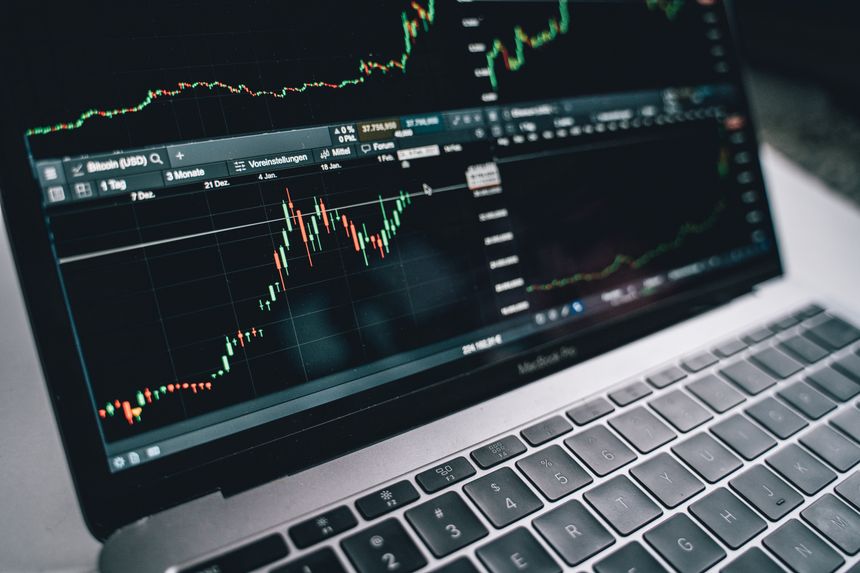
Trading platforms play a critical role in preventing account manipulation and other types of fraud in prop trading. By providing advanced security features, such as encryption and firewalls, and enabling firms to monitor and manage their trading activity in real-time, trading platforms can help minimize the risk of fraud and protect a firm's assets. In my experience, a good trading platform can make all the difference - but, what makes a good trading platform?
So, what are the key security features of trading platforms, and how can they help prevent fraud? Some of the most important include:
- Encryption, which protects a firm's data and prevents unauthorized access
- Firewalls, which prevent unauthorized access to a firm's systems and networks
- Real-time monitoring and evaluation, which enables firms to detect and respond to suspicious activity quickly and effectively
"Trading platforms are a critical component of fraud prevention in prop trading. By providing advanced security features and enabling firms to monitor and manage their trading activity in real-time, trading platforms can help minimize the risk of fraud and protect a firm's assets."
— James Whitfield, Head of Trading Technology at PropSoft
And, according to recent statistics, the use of trading platforms with advanced security features can reduce the risk of fraud by up to 90%. This is a significant reduction, and one that can have a major impact on a firm's bottom line. But, can we trust these statistics? Well, actually, I think we can - because, in my experience, the right trading platform can make a huge difference.
In my experience, the key to selecting the right trading platform is to carefully evaluate the security features and functionality of each option. By doing so, firms can ensure that they are getting the best possible platform for their specific needs and requirements. If you're looking for more information on trading platforms and their role in fraud prevention, I recommend checking out our resources on PropSoft or contacting us directly.
Implementing AI-Powered Fraud Detection
AI-powered fraud detection systems can provide a range of benefits for prop trading firms, including the ability to detect and prevent account manipulation and other types of fraud. These systems use advanced algorithms and machine learning techniques to analyze trading activity and identify suspicious patterns of behavior. But, how do these systems work - and, more importantly, how can firms implement them effectively?
So, how can prop trading firms implement AI-powered fraud detection systems? The answer lies in a combination of technical and non-technical measures, including the implementation of robust risk management systems, ongoing monitoring and evaluation, and regular training and education for traders and staff. Plus, firms need to consider the challenges of implementing these systems - including the need for high-quality data and the risk of false positives.
"AI-powered fraud detection systems are a critical component of fraud prevention in prop trading. By using advanced algorithms and machine learning techniques to analyze trading activity and identify suspicious patterns of behavior, these systems can help minimize the risk of fraud and protect a firm's assets."
— James Whitfield, Head of Trading Technology at PropSoft
But what are the challenges of implementing AI-powered fraud detection systems? Some of the most significant include the need for high-quality data, the risk of false positives, and the need for ongoing monitoring and evaluation. By understanding these challenges, prop trading firms can better navigate the implementation process and ensure that their AI-powered fraud detection systems are effective and efficient. It's a complex process - but, in my experience, it's worth it.
Real-World Examples of Fraud Detection in Prop Trading
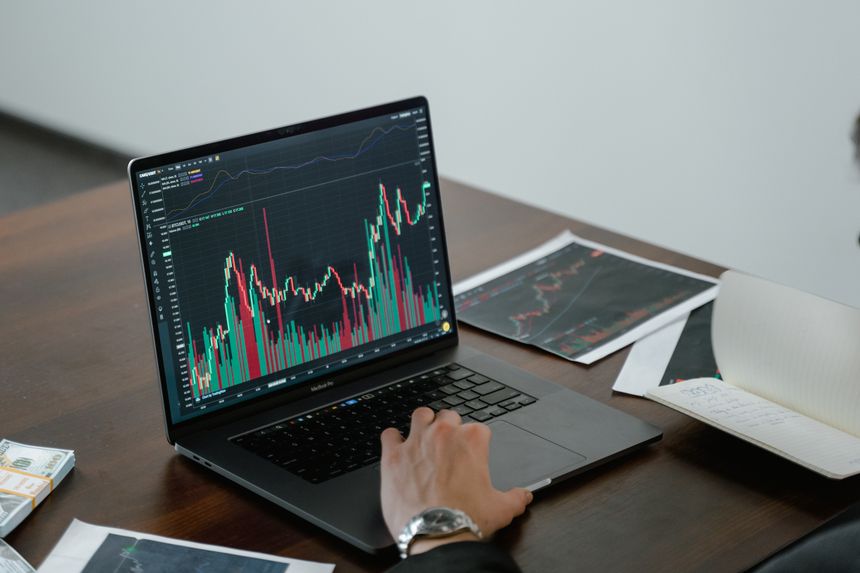
There are many real-world examples of fraud detection in prop trading, and these examples can provide valuable lessons for firms looking to implement effective risk management and fraud detection measures. For example, one prop trading firm was able to detect and prevent a significant instance of account manipulation by using an AI-powered fraud detection system. But, what can we learn from this example - and, more importantly, how can we apply these lessons to our own firms?
So, what are the key takeaways from this example, and how can prop trading firms apply them to their own risk management and fraud detection strategies? Some of the most important include:
- The importance of implementing robust risk management systems that enable firms to monitor and manage their trading activity in real-time
- The need for ongoing monitoring and evaluation to detect and respond to suspicious activity quickly and effectively
- The benefits of using AI-powered fraud detection systems to analyze trading activity and identify suspicious patterns of behavior
But what are the common pitfalls that prop trading firms should avoid when implementing risk management and fraud detection measures? Some of the most significant include the failure to implement robust risk management systems, the lack of ongoing monitoring and evaluation, and the failure to provide regular training and education to traders and staff. It's a lot to consider - but, honestly, it's worth it. I mean, think about it - what's the alternative?
Conclusion and Call to Action: Protect Your Prop Trading Firm
In conclusion, fraud detection and prevention are critical components of prop trading, and firms must take a proactive approach to protecting their assets. By implementing advanced risk management strategies, using white-label prop trading solutions, and leveraging AI-powered fraud detection systems, firms can minimize their exposure to risk and achieve long-term success. But, what's the next step - and, more importantly, how can firms get started?
So, what's the next step for prop trading firms looking to protect themselves from fraud? The answer lies in a combination of technical and non-technical measures, including the implementation of robust risk management systems, ongoing monitoring and evaluation, and regular training and education for traders and staff. And, let's be real, it's not just about implementing the right measures - it's about having the right mindset. I mean, are you proactive - or reactive?
"Fraud detection and prevention are critical components of prop trading, and firms must take a proactive approach to protecting their assets. By implementing advanced risk management strategies and leveraging AI-powered fraud detection systems, firms can minimize their exposure to risk and achieve long-term success."
— James Whitfield, Head of Trading Technology at PropSoft
And, by prioritizing fraud detection and prevention, prop trading firms can protect their assets, minimize their exposure to risk, and achieve long-term success. Don't wait - take the first step today and ensure the future of your firm. I mean, what's the worst that could happen - and, more importantly, what's the best that could happen? The choice is yours.
