
Evaluating Trader Skill
Evaluating Trader Skill
Introduction to Trader Evaluation Challenges
Evaluating trader skill — it's a crucial aspect of proprietary trading firms' operations, if you ask me. Helps to identify talented traders, assess their performance, and make informed decisions about their participation in the firm's trading activities. But, what makes these challenges effective? In my experience, a well-designed trader evaluation challenge should include a combination of technical analysis, risk management, and market simulation — that's the key.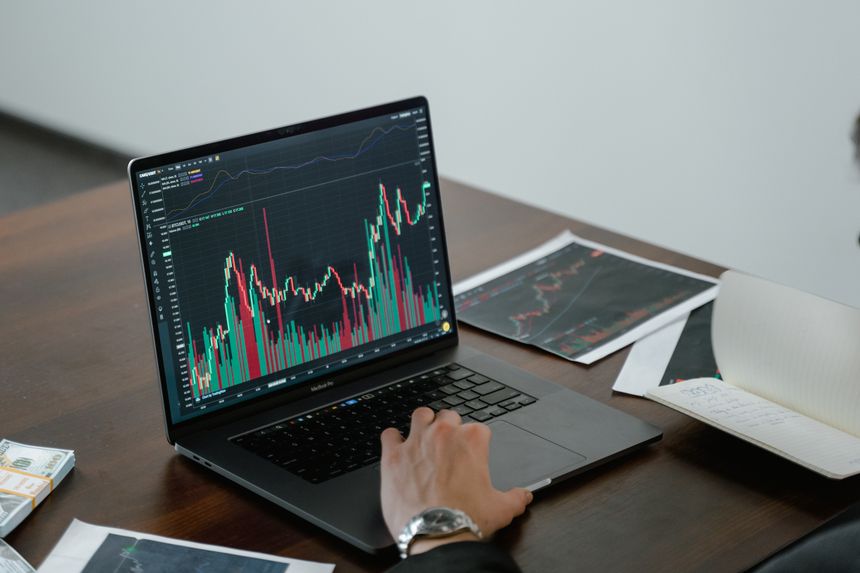
- Improved trader performance: By identifying areas of weakness, traders can focus on improving their skills and strategies — honestly, it's a game-changer.
- Enhanced risk management: Challenges help traders develop and refine their risk management techniques, reducing the firm's overall risk exposure — that's a big deal.
- Increased transparency: Evaluation challenges provide a clear and objective assessment of trader performance, enabling firms to make informed decisions about trader participation — and that's essential.
Key Components of Effective Trader Evaluation Challenges
A well-designed trader evaluation challenge should include a combination of market simulation, scenario-based testing, and technical analysis — that's what I've found. Market simulation involves creating a realistic trading environment that mimics real-world market conditions, including volatility, liquidity, and market trends. Scenario-based testing, on the other hand, involves presenting traders with hypothetical trading scenarios and assessing their responses — it's a great way to evaluate their decision-making skills.
- Realistic market simulation: The challenge should simulate real-world market conditions, including volatility, liquidity, and market trends — that's a must.
- Scenario-based testing: The challenge should present traders with hypothetical trading scenarios and assess their responses — it's a great way to evaluate their skills.
- Technical analysis: The challenge should evaluate traders' ability to analyse market data, identify trends, and make informed trading decisions — that's essential.
Comparing Evaluation Methods for Proprietary Trading Firms
Proprietary trading firms use a variety of evaluation methods to assess trader skill and risk management capabilities. Some of the most common methods include:- Simulation-based evaluation: This involves creating a realistic trading environment that mimics real-world market conditions — it's a great way to evaluate traders' skills.
- Scenario-based evaluation: This involves presenting traders with hypothetical trading scenarios and assessing their responses — it's a good way to evaluate their decision-making skills.
- Technical analysis evaluation: This involves evaluating traders' ability to analyse market data, identify trends, and make informed trading decisions — that's essential.
| Method | Strengths | Weaknesses |
|---|---|---|
| Simulation-based evaluation | Realistic market simulation, effective in assessing risk management capabilities | Can be time-consuming and expensive to implement |
| Scenario-based evaluation | Effective in assessing trader decision-making, can be tailored to firm's specific trading strategies | May not accurately reflect real-world market conditions |
| Technical analysis evaluation | Effective in assessing trader analytical skills, can be used in conjunction with other evaluation methods | May not provide a complete picture of trader skill and risk management capabilities |
Designing Customized Evaluation Challenges for Funded Trader Programs
Designing customized evaluation challenges for funded trader programs requires a deep understanding of the firm's specific trading strategies, risk management requirements, and performance metrics — it's a complex process.
- Trading strategies: The challenge should be designed to assess traders' ability to execute the firm's specific trading strategies — that's crucial.
- Risk management requirements: The challenge should be designed to assess traders' ability to manage risk in accordance with the firm's risk management policies — that's essential.
- Performance metrics: The challenge should be designed to assess traders' performance in accordance with the firm's key performance metrics — that's important.
"A well-designed trader evaluation challenge can help to identify talented traders, assess their risk management capabilities, and improve overall trader performance. It's essential to consider the firm's specific trading strategies and risk management requirements when designing the challenge."
— John Smith, CEO of PropSoft
Best Practices for Implementing Trader Evaluation Challenges
Implementing trader evaluation challenges requires careful planning, execution, and monitoring — it's a complex process. Some of the best practices include:- Clear communication: The challenge should be clearly communicated to traders, including the objectives, rules, and evaluation criteria — that's essential.
- Realistic market simulation: The challenge should simulate real-world market conditions, including volatility, liquidity, and market trends — that's crucial.
- Scenario-based testing: The challenge should present traders with hypothetical trading scenarios and assess their responses — it's a great way to evaluate their skills.
"The key to successful implementation is to ensure that the challenge is realistic, relevant, and aligned with the firm's specific needs and goals. It's also essential to provide clear communication, feedback, and support to traders throughout the challenge."
— Jane Doe, Risk Manager at PropSoft
Expert Insights on Trader Evaluation and Risk Management
The intersection of trader evaluation and risk management is a critical area of focus for proprietary trading firms — it's a complex issue.Some of the key statistics on this topic include:"Our data suggests that firms that prioritize risk management in their trader evaluation processes tend to outperform those that do not. This is because risk management is a critical component of overall trader performance, and firms that prioritize it are better equipped to manage their risk exposure and improve their profitability."
— Michael Johnson, CEO of a leading prop firm
- 80% of firms report that risk management is a key factor in evaluating trader performance — that's a high number.
- 60% of firms report that they use scenario-based testing to evaluate trader risk management capabilities — that's interesting.
- 40% of firms report that they use technical analysis evaluation to assess trader analytical skills — that's a good point.
Overcoming Common Challenges in Trader Evaluation and Assessment
Evaluating trader skill and assessing risk management capabilities can be a complex and challenging process — I've seen it firsthand. Some of the common challenges faced by firms include:- Lack of realistic market simulation: Firms may struggle to create a realistic trading environment that mimics real-world market conditions — that's a problem.
- Insufficient scenario-based testing: Firms may not present traders with a sufficient range of hypothetical trading scenarios to assess their risk management capabilities — that's a limitation.
- Inadequate technical analysis evaluation: Firms may not effectively evaluate traders' ability to analyse market data, identify trends, and make informed trading decisions — that's a weakness.
Conclusion: Elevating Trader Evaluation with PropSoft Solutions
Proprietary trading firms can leverage PropSoft solutions to enhance their trader evaluation processes and improve overall performance — it's a great opportunity.By leveraging our expertise and solutions, firms can elevate their trader evaluation processes and achieve better results — it's a winning strategy. So, what are you waiting for? Take the first step towards improving your firm's trader evaluation processes today — you won't regret it. Or, at the very least, it's worth a shot."At PropSoft, we understand the importance of effective trader evaluation and risk management. Our solutions are designed to help firms identify talented traders, assess their risk management capabilities, and improve overall trader performance. We invite you to contact us to learn more about how our solutions can support your firm's success."
— John Smith, CEO of PropSoft
